
Comparasion of Electric Heater Defrost and Hot Gas Defrost
Introduction
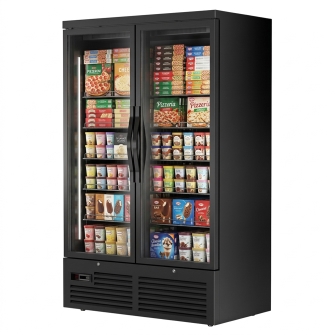
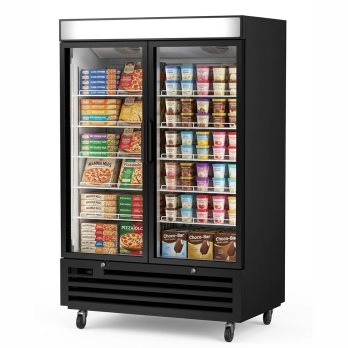
For commercial ventilated display freezers, reliable defrosting is critical to maintain cooling performance and prevent frost blockage on evaporators. Two mainstream defrost solutions are widely adopted: electric heater defrost and hot gas defrost. This document compares their construction, control logic, parameter setup and application trends.
1. Basic Structure Comparison
Electric Heater Defrost
Core components:
· Evaporator electric defrost heater
· Drain pan heater cable
· Drain tube heater cable
This design relies on resistive heating elements to melt frost. All three heating parts are mandatory in standard configuration to avoid re-freezing of melted water in the pan and drain line. More heating components mean more potential failure points.
Hot Gas Defrost
Core components:
· Solenoid valve
· Bypass copper tubing
High-temperature refrigerant gas from the compressor discharge side is diverted through the bypass circuit into the evaporator for frost melting. With optimized circuit layout, the drain pan heater cable and drain tube heater cable can be eliminated. This reduction of heating accessories is a major advantage, which effectively cuts down failure rates.
2. Defrost Control & Parameter Setting
Both defrost types are managed by a temperature controller. Key adjustable parameters that directly determine defrost performance:
· Defrost interval (defrost frequency)
· Defrost duration
· Defrost termination temperature
· Drip time (post-defrost water draining period)
Proper tuning of these parameters is required to prevent frost blockage. Settings must be adjusted according to ambient humidity:
· High humidity environment: Increase defrost frequency and raise the defrost termination temperature to fully melt frost.
· Low humidity environment: Reduce defrost frequency and lower the termination temperature to save energy.
If parameters are mismatched for site conditions, incomplete defrost or ice clogging of evaporator will occur.
3. Summary & Industry Trend
Hot gas defrost is becoming the preferred trend for commercial ventilated display freezer cabinets.
· Higher reliability: Fewer defrost-related components remove common failure sources of electric heating parts.
· Better efficiency: Hot refrigerant gas delivers heat to the evaporator faster and more uniformly than electric heating elements.
Electric heater defrost remains a low-cost option for basic units, while hot gas defrost offers superior long-term stability for heavy-duty freezer applications. All our freezer cabinets are adopted with hot gas defrost system.


